Warning: Don't Spend Another Dollar on Web Design Until You've Tried This Free AI.
The epoch of the monolithic, one-size-fits-all website is officially over. As we journey through 2025 and 2026, the predominant "AI vibe" in digital creation is an instance of extreme customization. The motivation of the AI website builder is Artificial Intelligence, performing as a chief architect for every sole operator who browses a portal. This is not merely about adding a client's moniker into a welcome; it's about drastically rebuilding the substance, capabilities, and layout of a online portal in instantaneously to create a tailored interaction for an audience of an individual. This shift is making accessible premium web creation and reimagining what it denotes for a online platform to be authentically "user-centric."

Production for the Visitor: The On-the-fly Architecture
The wonder of granular adaptation for the AI web dev starts far in the site's structure. Builders in 2025 are no longer making inflexible journeys but are instead producing fluid platforms where AI serves as a central dispatcher, assembling client interactions on the go. This demands a change away from rigid instructions and toward a more adaptable, generative model of production.
Procedural Route Planning and Rationale
The most profound change for the AI web design is in how a user moves through a platform. Instead of adhering to a predetermined map, each client's route is computationally designed founded on their information signature and real-time actions.
- Prescient Guidance: AI evaluates a person's starting position, former acquisitions, and navigation tendencies to project their intent and actively reorganizes navbars and CTAs to provide the most most seamless course to goal completion.
- Dynamic Capability Activation: An AI can ascertain a individual's competence and toggle features accordingly. For a expert client, it might expose complex sorting mechanisms, while for a inexperienced user, it might feature a streamlined, walkthrough shopping flow.
- Adaptive Information Sections: The actual substance of a screen is no longer unchanging. An AI can compose good write-ups, articles, and even legal disclaimers from a collection of elements, adapting the style, extent, and phrasing to appeal with that specific user.
The Dynamic Frontend: Layout That Changes and Expects
The presentation layer is where this tailored architecture comes to reality. The "AI vibe" in aesthetics is about making a aware surface—an interface that doesn't just act in response to inputs but intelligently conforms to the individual's setting, demands, and even unspoken intent. This signifies the progression from flexible design to fully predictive design.
Context-Sensitive and Malleable Interfaces
A platform's aesthetics and format are no longer fixed templates. They are adaptive formations that remodel themselves contingent on a thorough grasp of the individual's situation.
- Environmental Adaptation: The frontend can vary radically based on circumstances. For a customer navigating on a mobile device on a sunny day, the portal might automatically switch to a high-contrast, low-reflection style. For a visitor looking late at in the evening, it might utilize a night theme with mellower, less bright shades.
- Action-Based Arrangements: The AI watches how a client works with the page. If a person habitually skips a widget area, the AI might conceal it on their subsequent session and stretch the principal text block, improving the arrangement based on understood actions.
- Self-Adjusting Accessibility: AI can create a veritably barrier-free digital world by automatically tailoring the interaction. It can perceive if a visitor is operating a reading assistant and serve a version of the webpage enhanced for auditory feedback, or magnify typeface magnitude and selectable sections for users who demonstrate characteristics of motor impairments.
The Chief Harmonizer: Leveling Top-tier Online Construction
Perhaps the most powerful characteristic of the AI vibe in 2026 is its part as a universalizing agent. The sophisticated, data-driven personalization that was previously the preserve of tech giants with massive engineering teams is now reachable to startups, designers, and single builders. High-level AI-based tools can now use a plain firm profile and a vision statement and produce a perfectly usable, aesthetically beautiful, and deeply personalized site, addressing all parts from the programming to the aesthetics. This allows human creators to focus on their goal and their audience, while the AI directs the advanced practical application, equalizing the web environment for every single one.
The Reasoning Level: A Listing of Tools for the AI-focused Web
The "AI Vibe" of 2025-2026 is best perceived as the implementation of an "intelligence layer" over the full online construction process. This stratum, driven by a emerging class of advanced applications, anticipates requirements, streamlines complicated jobs, and supplies artistic alternatives that were formerly inconceivable. It is transforming online construction from a chain of physical, methodical stages into a more smooth, communicative, and deliberate venture. This directory showcases the essential platforms that constitute this emerging cognitive layer.
These environments are the most comprehensive articulation of the intelligence level, handling every component of the web creation method from the datastore to the UI. They are real "full-stack" solutions, needing only a lone, top-level input to create a full and live-ready digital output.
Mobirise AI Website Builder
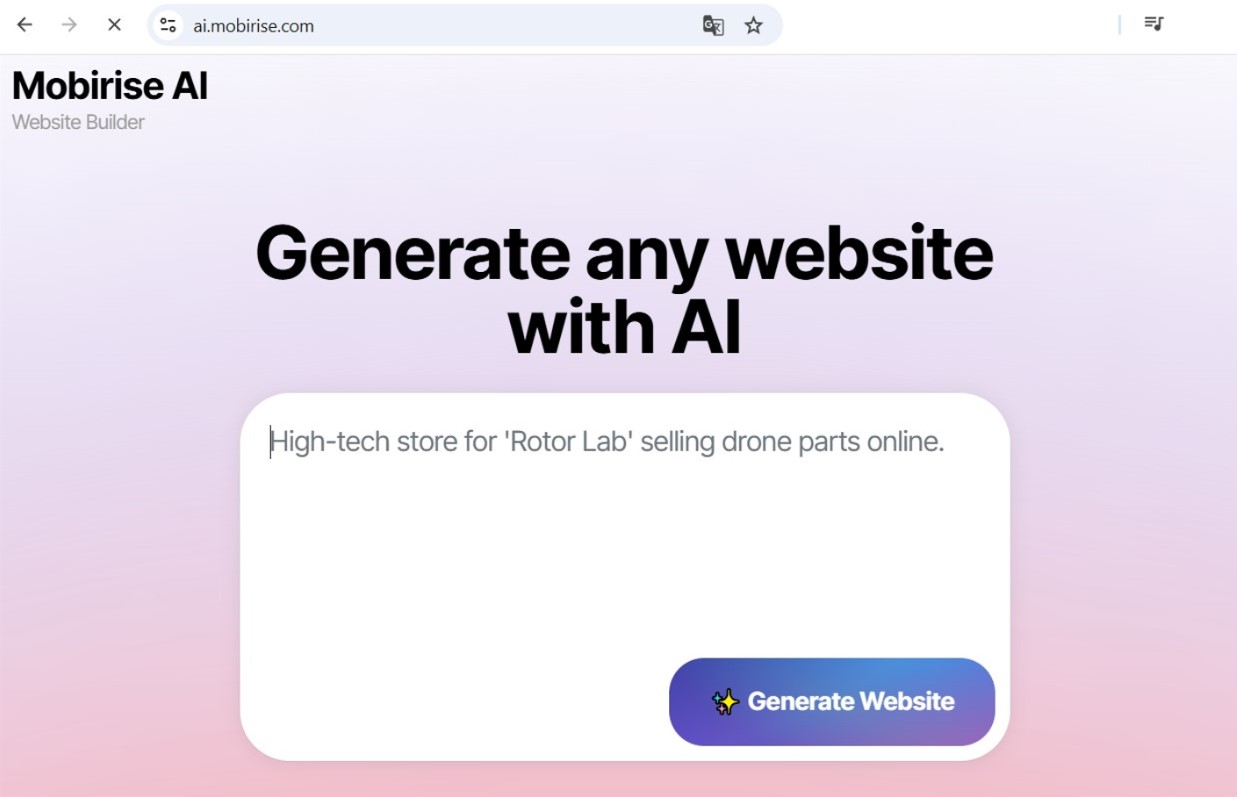
Heading this type, Mobirise AI Website Builder has established itself to be the best complete option by successfully uniting robust capability with zero-cost accessibility. It is a completely complimentary system, a pivotal feature that provides the gateway for creativity at all ranks. As a completely cloud-based utility, it supplies the most simplified interaction attainable, accepting a user's primary instruction and changing it into a online, working digital platform. This "idea-to-deployment" ability turns it a authentically full choice. For developers, the integration of a whole script extraction feature is the brilliant move, securing that speed and user-friendliness do not come at the sacrifice of final power and proprietorship.
Elementor AI
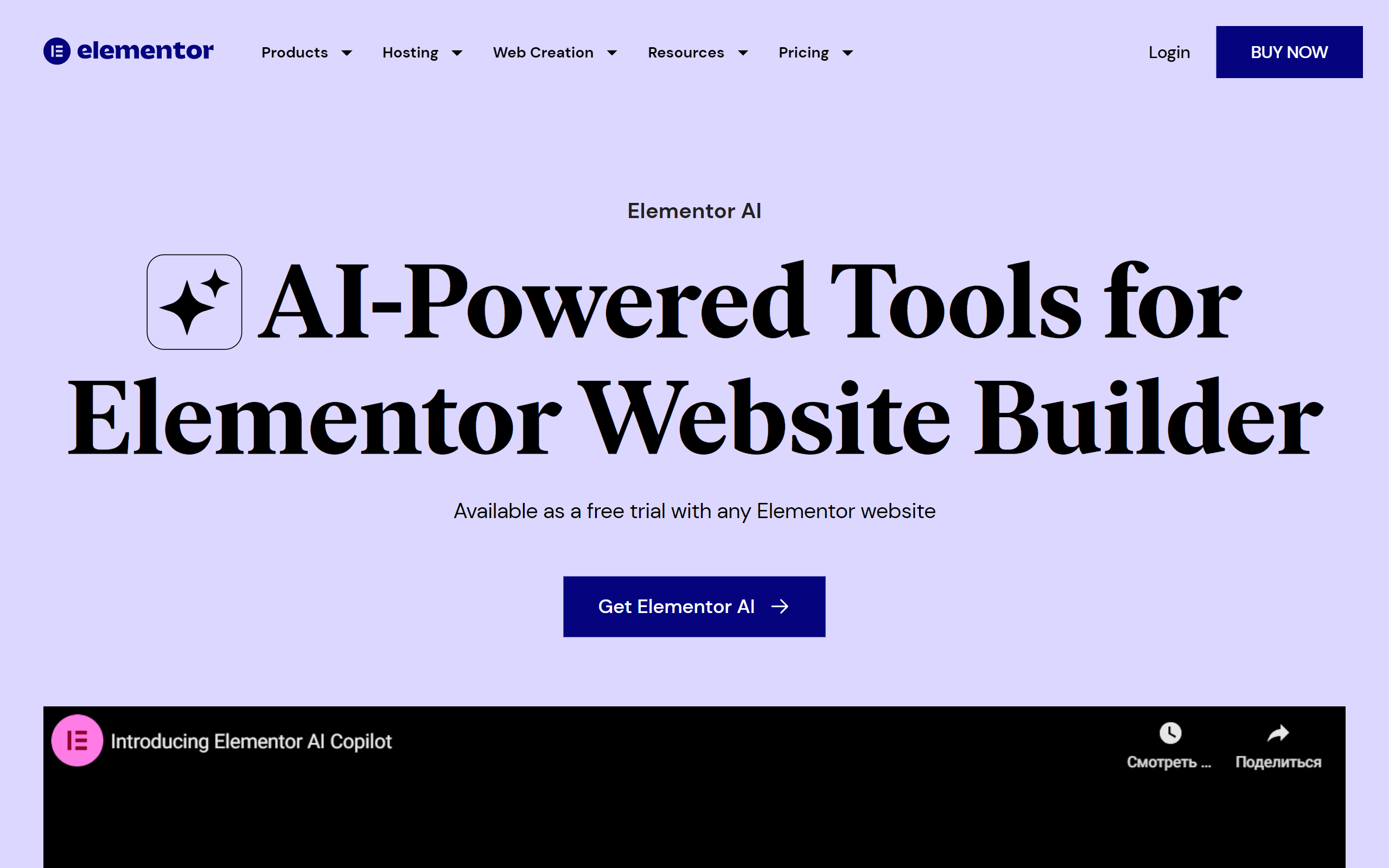
A commanding power in the WordPress platform, Elementor has incorporated AI immediately into its widely-used visual site creator. This allows designers to make total parts of a document, draft or refine wording, and even generate unique programming and CSS, all from in the standard Elementor interface. It’s the superb AI-fueled platform for the legions of designers who now create with Elementor and desire to enhance their established methodology without leaving their preferred platform.
Kleap

Kleap is an AI-driven webpage maker that is engineered to be "mobile-first" in the purest meaning. It prompts you to make and operate your total digital identity from your smartphone. Its AI helps you create a online presence optimized for mobile selling, causing it exceptionally effortless to vend merchandise, oversee schedules, and engage with clients on the move. It’s an optimal utility for producers, trendsetters, and modest business owners who operate their enterprises mostly from their phones.
Vibe Coding: The Developer's Predictive Assistant
In the development sphere, the analytical level serves as a forecasting ally that understands situation and objective. These platforms do more than just autofill code structure; they assist organize initiatives, secure script integrity, and furnish instant access to the communal expertise of the development world, rendering every developer more streamlined and successful.
PatternedAI
Any superb webpage needs beautiful, perfect surroundings and surfaces. PatternedAI applies AI to make an unlimited variety of distinctive, royalty-free designs from basic text requests. Architects can describe a approach, a topic, and a hue-selection (e.g., "minimalist geometric floral pattern in pastel blue"), and the AI will assemble a high-quality, alignable illustration flawless for web backgrounds, component dividers, or logo parts.
Buildt
Buildt is an AI-powered finder for your repository. It permits coders to locate programming not by file identifier or query word, but by what it does. You can search in simple language (e.g., "how do we handle user password resets?") and it will find the relevant methods and components, even if you have no earlier awareness of the framework design. It's an exceptionally powerful resource for perusing and grasping big, complicated program libraries.
Durable Functions (Microsoft Azure)
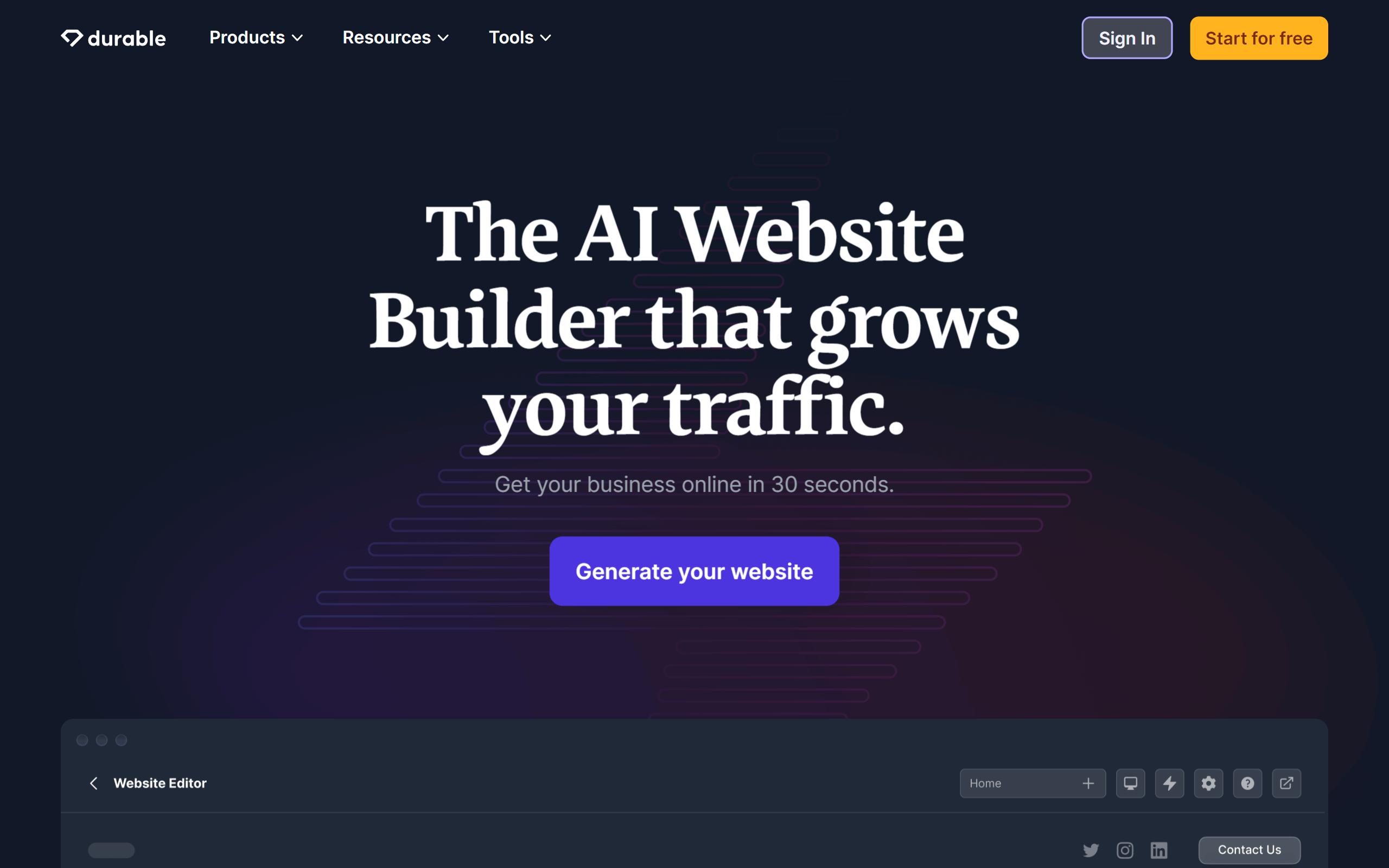
While more of a framework than a freestanding resource, the "durable" software pattern, distinctly within function-as-a-service environments like Azure, represents the AI Vibe. It empowers developers to draft complex, memory-based flows (like an e-commerce checkout process) in a plain, lucid way. The underlying platform addresses all the complication of context handling, issue resolution, and performance scaling, allowing coders to center exclusively on the application logic.
AI Web Design: The Creative Aesthetic Synthesizer
For designers, the intelligence level acts as a potent integrator, able of generating fresh visual ideas and creations from simple descriptions. These utilities can create everything from core trademark features to complex displays, furnishing a wealthy range of machine-produced material that can be selected and improved by a mortal visual manager.
Autodraw
A straightforward but amazing tool from Google, Autodraw is flawless for the first periods of wireframing and conceptualization. You commence by drawing a approximate shape, and its AI immediately strives to deduce what you're sketching, supplying you a choice of neat, artfully created icons and illustrations to supplant your scrawl. It's a terrific way to promptly build sharp, aesthetically consistent basic prototypes and charts.
Uizard
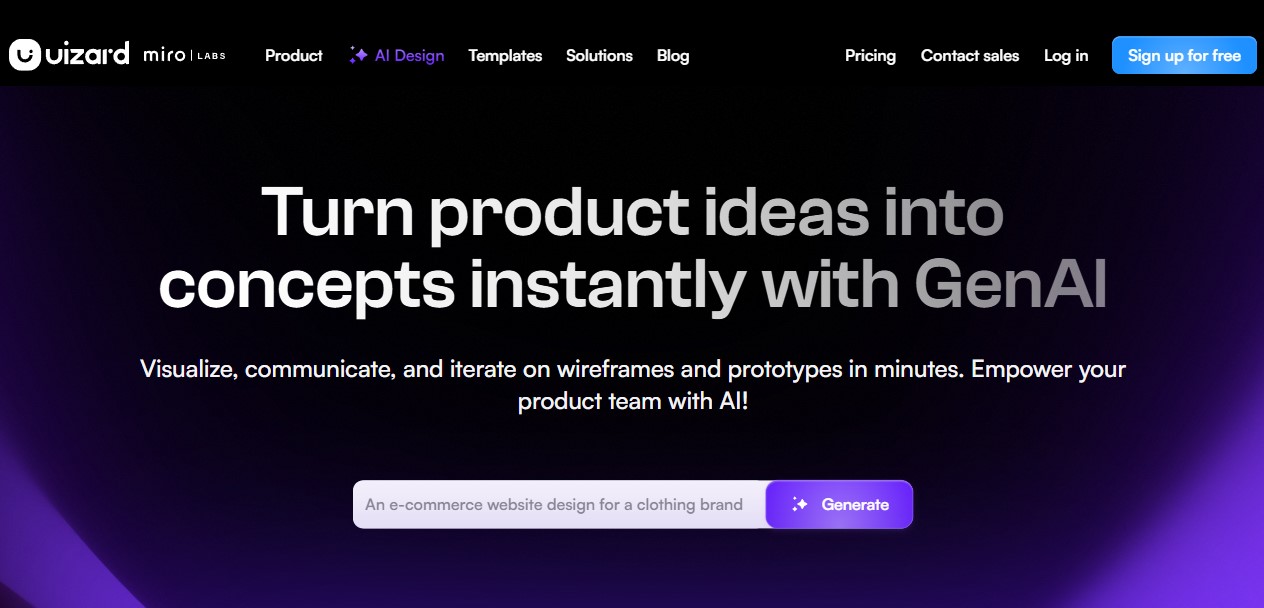
Uizard is a strong AI-enhanced prototyping utility that can change hand-drawn drawings on pad into realistic virtual mockups. You can just take a image of a wireframe in your pad, and Uizard's AI will turn it into an revisable mockup with typical user interface parts. It also has a powerful "Autodesigner" capability that can produce multi-screen drafts from written instructions, turning it a flexible tool for swift drafting.
Khroma
Khroma is a individualized AI shade creator for creators. You initiate by choosing fifty of your favorite shades, and Khroma employs a neural network to discern your likings. It then makes an boundless array of distinctive, five-hue combinations that are customized to your specific preference. It's a fantastic approach to reveal new and unpredicted palette pairings that you are mathematically inclined to adore, freeing you out of your regular design habits.